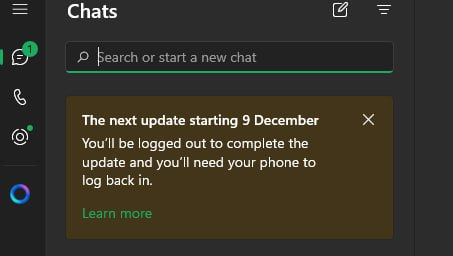
WhatsApp, the globally popular messaging app, has recently announced a significant change to its desktop and web platforms. Starting December 9, 2025, users will be required to log out and log back in as the app transitions to a Progressive Web App (PWA)-based system. This change aims to enhance app performance and make it easier for users to manage their messages across multiple devices.
In this article, we’ll discuss what PWAs are, how this transition will affect users, and steps you can take to prepare for the upcoming changes.
What is a PWA (Progressive Web App)?
A PWA is a type of web application designed to provide an app-like experience on mobile and desktop devices, even though it runs through a web browser. PWAs allow users to access an app via a URL without the need to download or install it from an app store. PWAs also come with other benefits, such as faster performance, automatic updates, and improved offline capabilities.
As a PWA, WhatsApp Web and Desktop will become more accessible, have better performance, and be more responsive. Additionally, updates will be rolled out faster, and users won’t have to worry about manual updates as they do with native apps.
Why is WhatsApp Switching to PWA?
WhatsApp’s decision to move to a PWA format is driven by several technical and strategic reasons. One of the main motivations is to streamline the user experience across different platforms. By using PWA, WhatsApp can provide a more consistent and stable experience across devices without the need to develop separate native apps for each operating system (Windows, macOS, Linux).
Additionally, PWAs are easier to update, reducing the need for manual updates and being more efficient in terms of resource usage. Users will experience faster load times and better stability on WhatsApp Web, which has sometimes suffered from connection issues or message delays in the past.
What Will This Mean for Users?
This significant change will directly impact users who access WhatsApp via desktop or WhatsApp Web. Starting December 9, 2025, users will be required to log out and then log back in once the transition to PWA is completed. This means that if you’re using WhatsApp Web or the desktop app, you will lose your current session and need to reconnect.
Although this might cause some temporary inconvenience, the goal of the transition is to provide a better and more seamless user experience moving forward. It’s important to note, however, that this change will not affect WhatsApp’s mobile app. Users accessing WhatsApp via their smartphones will not be impacted by this transition.
How to Prepare for the Change?
To prepare for this change, there are a few steps you can take:
- Back Up Your Chats: While this transition shouldn’t affect messages on mobile devices, it’s always a good idea to back up your chats on WhatsApp. You can use WhatsApp’s backup feature to save your message history to Google Drive or iCloud.
- Update Your App: Ensure that your WhatsApp app (on both mobile and desktop) is updated to the latest version before December 9, 2025. This will minimize any compatibility issues after the transition.
- Prepare to Log In Again for WhatsApp Web/Desktop: After December 9, you’ll need to log in again to WhatsApp Web or the desktop app. You’ll have to scan the QR code using the WhatsApp app on your phone, as usual, to reconnect your desktop device.
- Check Your Internet Connection: Since this transition involves a major update to the servers and app, make sure you have a stable internet connection to ensure the login process goes smoothly.
What Are the Benefits of Using WhatsApp PWA?
Once the transition is complete, users will enjoy several benefits with the PWA-based WhatsApp:
- Faster Performance: PWAs allow WhatsApp to run smoother and more responsively compared to traditional desktop apps.
- Automatic Updates: No more manual updates required, as the PWA will automatically update itself in the background.
- Easier Access: You can access WhatsApp from any browser on any platform without needing to download an additional app.
- Offline Capabilities: The PWA will also improve offline functionality, allowing users to access received messages even when not connected to the internet.
What Should Users Be Aware Of?
While this change will bring several benefits, there are a few things users should be aware of:
- Possible Feature Limitations on PWA: Although PWAs offer many advantages, some features, like voice and video calls on WhatsApp Web, may require further updates to be fully integrated into the PWA.
- Performance on Older Devices: Users with older devices may experience reduced performance when using WhatsApp PWA, although this is not guaranteed.
WhatsApp’s shift to a PWA-based system, which will require users to log out and log in again starting December 9, 2025, is a major step forward in improving performance and the overall user experience. While this change may cause some temporary inconvenience, the long-term benefits of PWAs, such as automatic updates, faster performance, and a more consistent experience, are expected to outweigh the short-term disruptions.
Users of WhatsApp Web and Desktop are advised to prepare for this change by backing up their messages and ensuring their app is up to date. With this transition, WhatsApp aims to continue evolving into a more efficient and reliable messaging platform for users worldwide.